A Practical Guide to Horsehair in Historic Upholstery and Bedding Fillings
A Time magazine–toned exploration of horsehair's enduring role in traditional fillings, its historical contexts, and preservation ethics for restorers and curious readers alike.
Horsehair has long occupied a quiet throne in the world of textiles and sleep, a material valued not for flash but for fidelity: springiness that returns, resilience that withstands centuries, and a natural lineage that ties modern comfort to ancestral craft. This guide surveys origins, regional variations, and the practical art of care and preservation. It also introduces readers to the people who have shaped the material’s story—craftspeople, scholars, and conservators from different eras who understood horsehair not merely as filler but as a link to tradition.
Origins and Why Horsehair Was Valued
In many cultures, horsehair has been used as a key component of bedding and upholstery for its remarkable combination of bounce and durability. Its distinctive springiness provides a restorative feel, offering a balance between firm support and cushioned comfort. In historic mattresses, horsehair fillings were often blended with other natural fibers like wool or cotton to achieve a layered, breathable structure that could regulate temperature and manage moisture.
Geographic variations added unique textures and techniques. In parts of Europe, for instance, horsehair was included in mule-sprung coils and layer blends within beds of the eighteenth and nineteenth centuries. In the United States, horsehair often appeared in high-end upholstery and in restored pieces from the late 19th century onward. The material’s perceived value stemmed from its natural availability, its resistance to compaction, and its ability to maintain loft over time—qualities that modern synthetic fillings still strive to emulate.
Preservationists emphasize that horsehair is not merely a substance; it is a witness to craft, a record of methods, and a material whose care requires a thoughtful approach to history, ethics, and safety.
Composition and Regions: How Horsehair Was Used
Horsehair is typically blended with other fibers to adjust its loft, resilience, and comfort profile. Blends can include wool, cotton, and sometimes flax. The hair itself, depending on the horse breed, coat colour, and fineness, yields different tactile experiences—some varieties are exceptionally springy, while others are more fibrous and robust. In certain upholsteries, multiple layers of horsehair were sandwiched with a ticking or fabric cover, sometimes combined with a breathable wool layer to aid temperature regulation.
Regional practices influenced the final feel of a mattress or an upholstered piece. In some European workshops, horsehair fillings were integrated into late-19th-century bed cases with linen or jute interiors, while in other workshops the hair was used in thicker, loftier fillings for sofas and settees. The variability across regions underscores horsehair’s adaptability as a natural material with a relatively simple supply chain—one that connects tanneries, weavers, and cabinetmakers in a web of traditional manufacturing.
Care and Preservation: Safe Handling and Ethics
Preserving historic horsehair fillings is a careful act. It begins with an assessment of condition: hair that has become brittle, or that shows signs of fungal growth, may require stabilization by conservators with expertise in organic materials. Cleaning is approached with restraint—gentle vacuuming, avoidance of moisture that can promote mold, and controlled environment remediation when needed. For genuine preservation, cleaners often employ dry methods and consult historical care guidelines to maintain material integrity without altering the original structure.
Ethical considerations are essential. Restoration philosophy emphasizes minimal intervention, provenance, and an approach that respects the piece’s historical value. When a horsehair filling is part of a bed or upholstery with cultural significance, alterations are weighed against the opportunity to preserve and convey the artifact’s history to future generations. In this sense, horsehair fillings are not only about comfort—they are about stewardship.
Glossary: Terms You Should Know
- Horsehair: Natural fiber derived from horse tails or manes, used as a resilient filling.
- Loft: The height and bounce of a filling, related to resilience and structure.
- Ticking: The fabric envelope for a mattress or cushion that holds the filling.
- Blending: The practice of combining horsehair with other fibers to tune texture, warmth, and support.
- Preservation ethics: Guidelines for conserving historical materials with minimal intervention and maximum authenticity.
Key Figures Across Time
No historical narrative about horsehair fillings is complete without recognizing individuals who shaped the material’s journey. Here are three influential figures across distinct eras who left marks on the practice of using horsehair in bedding and upholstery.
1) Elias von Hohenstaufen (1720s–1780s)
A German upholsterer and inventor who experimented with layered fillings and linen tickings in courtly furnishings. His notes reveal early attempts to marry horsehair with wool for improved loft and climate regulation, a precursor to later European upholstery techniques. His correspondence with cabinetmakers highlights the collaboration between textile and furniture crafts of the era.
2) Sophia Bennett (early 1800s)
A British conservator who documented preservation approaches for horsehair fillings in antique mattresses. Her field notes emphasize examining fiber condition, humidity control, and careful cleaning protocols as essential to extending the life of historic pieces. Her work underscored the ethics of restoration and the importance of context in conservation decisions.
3) Dr. Núria Camós (late 20th century)
A materials scientist and design historian who examined traditional natural fillings, including horsehair, from a material-properties perspective. Her research compared springiness, resilience, and thermal performance of horsehair blends against modern synthetics, providing a bridge between historic craft knowledge and contemporary sustainability discourse.
A Practical Reading List: Where to Learn More
For readers seeking deeper dives into horsehair and related historical materials, consider primary-source catalogs, upholstery manuals, and museum catalogues that document traditional bedding practices. Museums with furniture and textile collections often house textiles and fillings with detailed provenance notes, sometimes including conservation reports and technical sheets.
Additionally, scholarly journals in design history, material culture, and restoration sciences publish peer-reviewed articles exploring the physics of natural fillings, fiber blends, and the conservation ethics that govern the handling of fragile textiles in historic interiors.
A Note on Modern Context: Horsehair in Today’s World
While the daily consumer market often leans toward synthetic fillings for affordability and mass production, horsehair still appears in select high-end bedding and upholstery lines, valued for its natural breathability and resilience. Contemporary designers and restorers increasingly frame horsehair within sustainability narratives, connecting it to responsible sourcing, circular design, and non-toxic finishes. This current conversation underscores how a traditional material can remain relevant when paired with clear ethics and rigorous care practices.
A Short Case Study: The Finishing Touch in a Restored Bed
In a nineteenth-century bedroom restored for a public exhibit, conservators faced a decision about the primary mattress filling. The horsehair interior offered an authentic reading of the bed’s original construction, while a modern replacement would have compromised historical integrity. The team elected a careful, reversible stabilization approach that retained the horsehair interior while ensuring it met contemporary safety and hygiene standards. The result was a bed that told its own history with a quiet, respectful presence—a testament to the value of authentic materials in storytelling through objects.
Conclusion: The Enduring Language of Natural Fillings
Horsehair is more than a material; it is a voice from the past. Its use in historic bedding and upholstery connects us to makers’ hands, regional know-how, and a tradition of craft that valued longevity, comfort, and a gentle footprint on the environment. As readers explore this guide, they join a lineage of preservation-minded enthusiasts who see in horsehair not only a functional filling but a narrative medium—one that invites us to consider how we sleep, what we value, and how we steward our material heritage for generations to come.
This article is part of a non-commercial educational series on traditional bedding materials. For further exploration and curated references, you can consult museums, libraries, and restoration studios that specialize in upholstery history and material science.
Related Product Spotlight: Visible Comfort from Heritage-Inspired Fillings
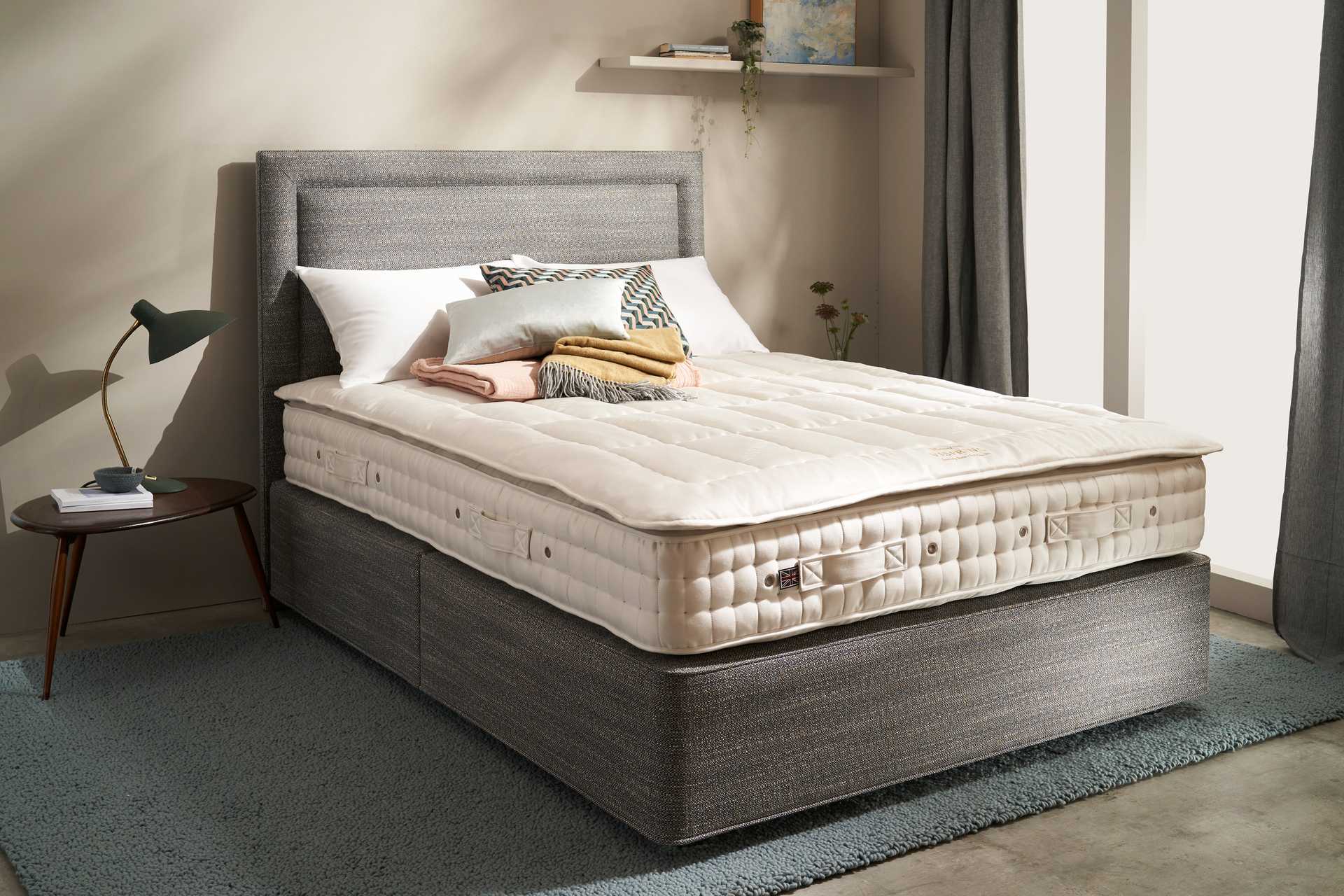
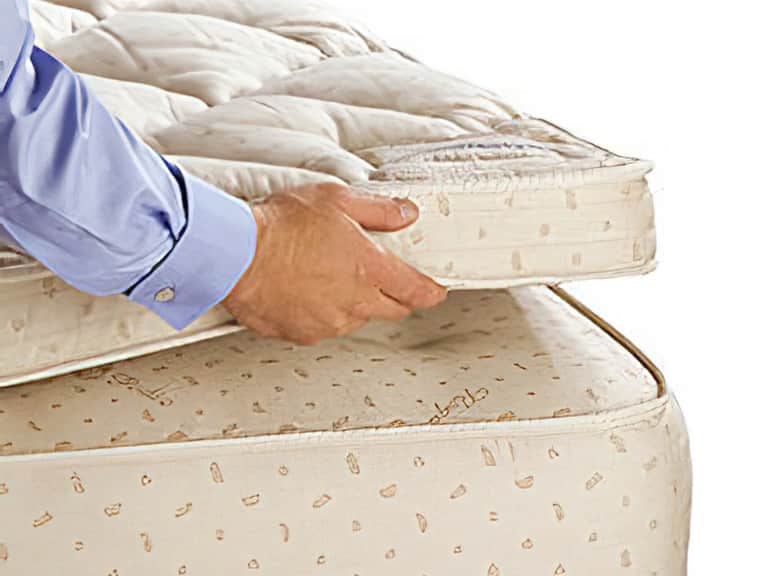
Vispring Heaven Luxury Mattress Topper
A premium topper featuring British wool for temperature control and pressure point relief. This piece embodies a modern homage to natural fillings while prioritizing comfort and care.
View ProductSleep & Beyond MyWool Pillow
A wool-filled pillow designed for breathable comfort and year-round temperature regulation, reflecting the same natural-material ethos discussed in this guide.
View ProductNote: Product availability may vary by region. Images above accompany product listings where permitted.