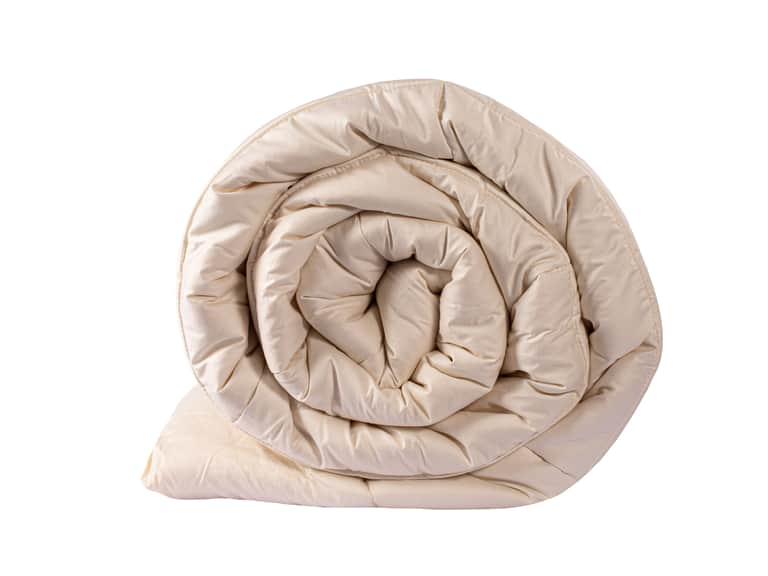
Wool comforters are crafted to balance warmth and breathability, leveraging natural wool fibers to regulate temperature across seasonal changes. The inherent loft and moisture-wicking properties help maintain comfort without overheating, making wool comforters suitable for a range of sleep environments. Understanding fiber structure, including crimp and scales, explains how wool traps air for insulation while remaining breathable.
In the context of horsehairbed.com, wool comforters such as Sleep and Beyond and myMerino Wool Comforter Light illustrate how different weights and blends influence warmth and weight. Natural wool provides resilience, warmth when cold, and cooling effects when warmer, supporting a stable sleep climate. Consider fiber length, density, and fill power to gauge overall comfort and support.
Key features to note include moisture management, odor resistance, and hypoallergenic potential. Wool fibers naturally wick moisture away, reducing dampness and helping regulate humidity within a bedding system. These characteristics can promote a drier sleeping surface, supporting comfort for sensitive sleepers and those with mild allergies.
Functional benefits extend to longevity and care practicality. Wool comforters are often robust against compression and maintain loft with proper care. For example, myMerino Wool Comforter Light offers a lighter, breathable option ideal for warmer seasons, while Sleep and Beyond may provide a denser fill for cooler periods, each aligning with varied sleep preferences and bed setups.
When evaluating wool comforters, consider compatibility with existing sheets and pillow configurations, along with any layering plans for seasonal adjustments. Bedding materials such as satin or cotton sheets, as well as memory foam pillows or latex options, influence overall comfort. A well-chosen wool comforter supports thermal balance, durability, and a restful night’s sleep.
 Bedding